

Why Strict Bedtime Routines Don't Work (And What to Do Instead)

Strict bedtime routines sound reliable on paper: the same steps, the same time, every night. But in real family life they often trigger resistance, anxiety, or power struggles that last far longer than the five minutes of teeth brushing. In this article you'll learn why rigid schedules fail, what the research says about sleep and development, and flexible, science-backed strategies you can try tonight. I'll also weave in some unexpected analogies—like how parents evaluate strategies similarly to Casino review ratings—to help you compare options objectively.
Why strict schedules feel logical but backfire
On the surface, a strict routine promises predictability. But children (and adults) are not machines. Circadian rhythm and home life interruptions mean that a one-size-fits-all bedtime can create more stress than calm. When parents enforce a rigid bedtime regardless of mood, illness, or development, kids learn to resist or fake tiredness. Think of it like interpreting Casino review ratings—a single score doesn’t capture context, and treating it as absolute leads to poor choices.
Rigid rules also ignore individual differences: some children are naturally evening types, others need extra transitional time. A strict schedule can increase cortisol and make sleep onset harder. The goal is not to remove structure but to make it adaptable and humane.
What the science says: consistency vs. rigidity
Research supports consistent sleep windows, but consistency doesn't mean inflexibility. Studies show that a regular sleep window of similar timing improves sleep quality, yet minor variations—like a later bedtime on weekends—are less damaging than harsh enforcement. Consider assessing routines the way you’d read рейтинги онлайн-казино: look at trends, patterns, and context rather than single-night outcomes.
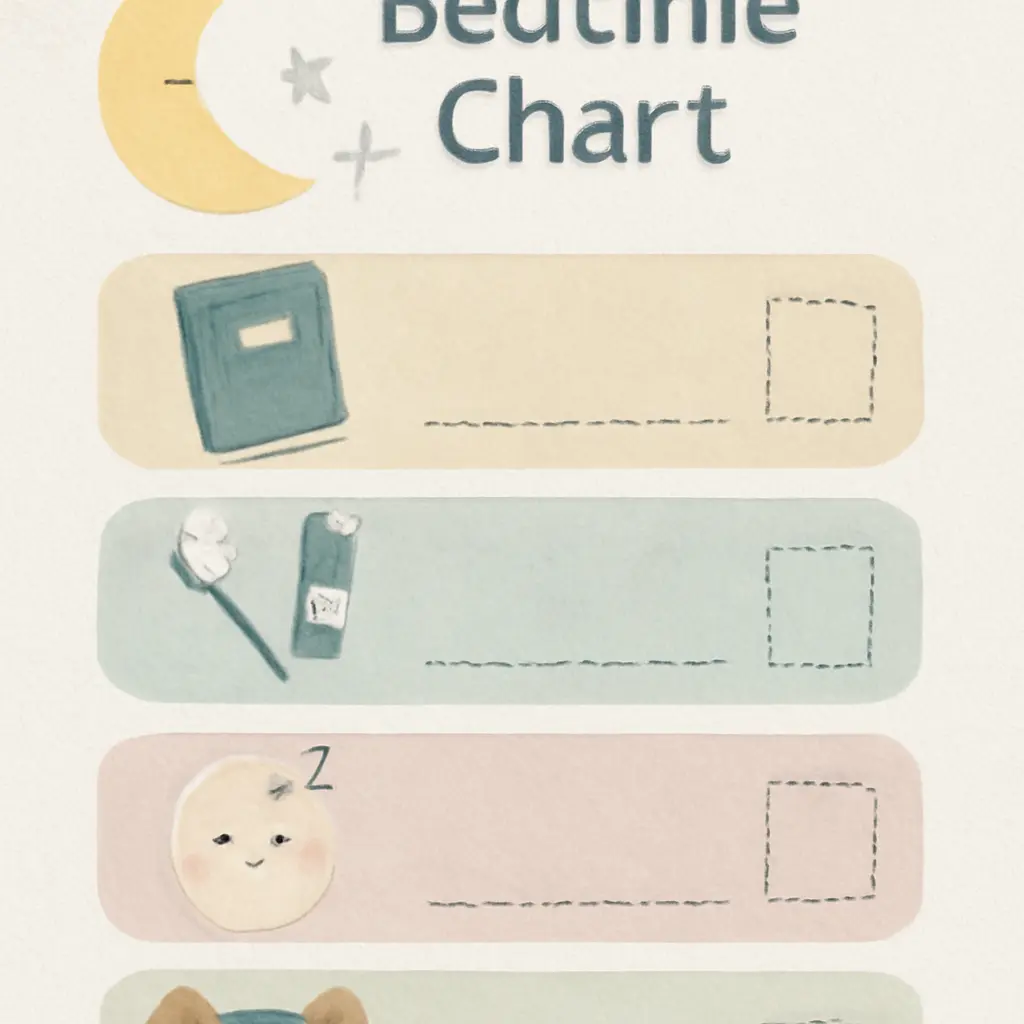
When you allow a range—say a 30 to 45 minute window—you preserve structure and reduce nightly battles. This small bit of flexibility often leads to better long-term adherence.
Practical flexible strategies to try tonight
Below are easy, practical changes that respect both consistency and family reality. These strategies perform well across ages and are easy to tweak—think of them as the top-rated entries in your own parental обзоры онлайн-казино list.
- Flexible windows: Aim for a bedtime window rather than a fixed minute—this reduces pressure.
- Wind-down rituals: Use calming activities like reading or a warm bath that cue sleep without strict timing.
- Choice within limits: Let kids pick a book or pajamas to increase cooperation.
- Reduce stimulation: Dim lights and pause screen time at least 30–60 minutes before bed.
For more concentrated tips on calming tricks that can be implemented immediately, check out the short guide on bedtime tricks. It complements these flexible strategies by offering quick wins that often stop bedtime battles within nights, not weeks.
Step-by-step: a flexible routine (sample)
Use this ordered plan as a template—adjust times and activities to suit your family.
- 60–45 minutes before bed: Start dimming lights and shift to quiet play.
- 30 minutes before bed: Bath or gentle hygiene, pajamas, and teeth brushing.
- 15–10 minutes before bed: Choice-driven calm activity (story, soft music).
- Lights out window: Aim for a 30–45 minute target window rather than an exact minute.
Remember: each step should be predictable but forgiving. If a late dinner, travel, or a special event pushes the schedule, use the window rather than enforcing an exact time—this is how you keep the system resilient while still maintaining healthy sleep cues, much like how smart players interpret fluctuating сравнение казино rather than reacting to a single number.
Quick wins for different ages
Tailor tactics by age group. For infants, focus on cue consistency. For toddlers, use choices and short warnings. For school-aged kids, involve them in planning to build buy-in. For teens, prioritize sleep opportunity and reduce late-night screen exposure. Here’s a simple table comparing strict vs. flexible approaches:
| Approach | Typical Outcome | Best Use |
|---|---|---|
| Strict Schedule | Quick compliance but increased resistance | Short-term enforcement; transitions |
| Flexible Window | Higher long-term adherence, less stress | Everyday family life |
| Choice-Based Rituals | More cooperation, empowerment | Toddlers and school-aged kids |
Use this table like a comparison chart you might see when reviewing services or products—similar to how parents skim рейтинги онлайн-казино to compare options—but focused on what matters most: calm evenings and falling asleep easily.
Common pitfalls and how to avoid them
Avoid these mistakes that turn routines into battlegrounds:
- Over-correction: Swinging from strict to permissive creates confusion.
- One-size enforcement: Not accounting for illness or developmental shifts.
- Lack of parental modeling: Adults must also prioritize wind-down habits.
If you're trying to rebuild everyday rituals beyond bedtime—like morning transitions or mealtimes—consider broader family routines to stabilize the whole day. Nonconsecutive placement of this resource keeps it easy to discover without overwhelming a single paragraph.
When to get expert help
Persistent sleep problems despite reasonable flexibility may warrant a pediatrician or sleep specialist consult. Look for signs like excessive daytime sleepiness, growth concerns, or behavioral changes. An expert can help rule out sleep disorders and tailor interventions—think of this as consulting a trusted review beyond consumer обзоры онлайн-казино when complexity grows.
Summary: what to do tonight
To start, pick one change: widen the bedtime window, add a soothing wind-down, or give a small choice at step two. Track results for a week and adjust, using simple notes or a habit app. Evaluate outcomes the way you would compare services using сравнение казино: look for consistent trends, not single incidents.
Key takeaways: Emphasize a flexible window over rigid minutes, keep wind-down cues consistent, and involve children with small choices. These shifts reduce stress and improve sleep without turning bedtime into a repeated conflict.
Conclusion
Strict bedtime routines fail when they ignore real-life variability and individual needs. By using flexible, science-backed strategies, you preserve structure while reducing conflict. Think like an informed reviewer—compare methods, prioritize patterns, and adjust with compassion. If you'd like more quick bedtime ideas to try tonight, check the short tricks guide referenced earlier, and remember: a calmer bedtime often starts with a kinder, more flexible plan that fits your family's life rather than fighting it.



Comments
I tried the 30–45 minute bedtime window with my preschooler and within a week the nightly battles mostly disappeared — letting them pick a book or pajamas really helped.
Switched to the 30–45 minute window and letting my kid choose the bedtime story — fights dropped way down within a few nights. We still hit snags after late dinners, but evenings feel much calmer overall.
I tried the 30–45 minute bedtime window and letting my five-year-old pick pajamas — bedtime battles dropped from nightly to almost none within a week.