
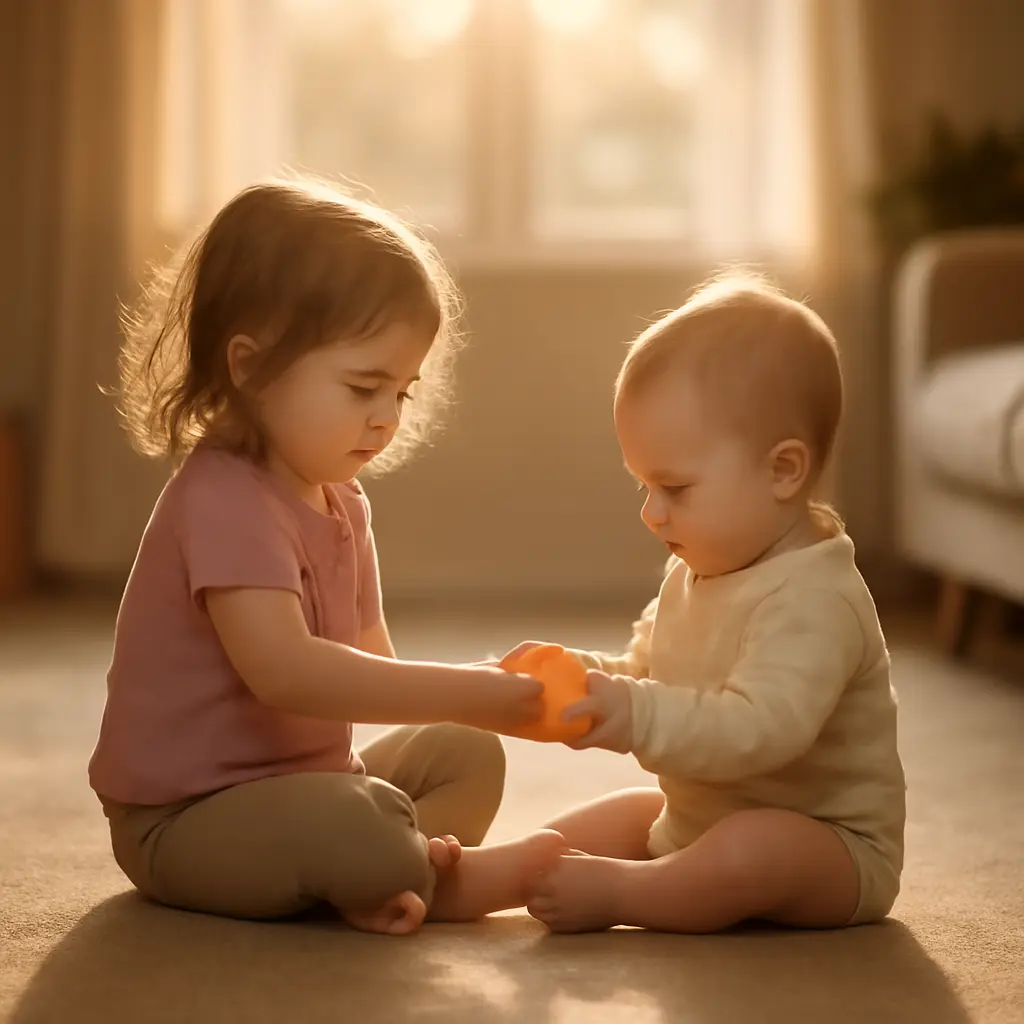
Understanding Why Siblings Fight More Than You'd Expect
\n\nAnyone who has spent time on a children and family forum knows that sibling rivalry tops the list of parenting concerns. Whether your kids are toddlers tussling over the same toy or teenagers locked in a battle of wills, the friction can feel relentless. The good news? Decades of child psychology research show that most sibling conflicts follow predictable patterns—and those patterns can be interrupted with the right tools.
\n\nWhat many parents discover through family discussion communities is that rivalry rarely stems from one single cause. Much like how casino review ratings break down a complex experience into measurable categories—trustworthiness, fairness, payout consistency—understanding sibling conflict requires you to evaluate multiple factors at once. Age gaps, temperament differences, and perceived favoritism all play a role, and addressing them systematically is the key to lasting change.
\n\nThe Real Reasons Behind the Constant Bickering
\n\nBefore you can fix sibling rivalry, you need to understand what's actually fueling it. Children don't fight just to annoy you. Their conflicts are usually driven by unmet emotional needs—attention, autonomy, fairness, or simply feeling heard. When one child perceives that a sibling gets more of any of these, resentment builds quickly and erupts in ways that exhaust the whole household.
\n\n \n\n
\n\nDevelopmental stage matters enormously. A five-year-old lacks the emotional vocabulary to say \"I feel overlooked,\" so they hit, grab, or scream instead. Older children may use exclusion, sarcasm, or manipulation. Recognizing these behaviors as communication rather than defiance changes how you respond. Interestingly, the evaluation frameworks used in casino review ratings apply a similar principle: surface-level impressions can be misleading, and you need to look at the underlying structure to form an accurate picture of what's really going on.
\n\nHere are the most common triggers for sibling rivalry:
\n\n- \n
- Competition for parental attention—especially when a new baby arrives or one child has higher needs \n
- Differences in personality or temperament that create natural friction between siblings \n
- Unclear boundaries around shared spaces, toys, or screen time \n
- Inconsistent enforcement of household rules, which breeds perceptions of unfairness \n
- Stress from external changes such as a move, school transition, or family disruption \n
When parents begin to identify which triggers are active in their household, they can target their response far more effectively. Think of it as building your own rating system for family conflict—just as casino review ratings assign weighted scores to different aspects of an experience, you can rank which issues carry the most weight in your home and address them in order of impact. This analytical approach prevents you from wasting energy on symptoms while the root cause goes untreated.
\n\nProven Strategies That Transform Sibling Relationships
\n\nSet Clear, Consistent Household Rules
\n\nFairness is the cornerstone of sibling peace. Children are extraordinarily sensitive to double standards, and even small inconsistencies will be noticed and challenged. Establishing household rules that apply equally to every child—adjusted only for age-appropriate expectations—creates a transparent environment where rivalry has less room to flourish.
\n\nThe best family rules share traits with the criteria behind reputable casino review ratings: they are transparent, consistently applied, and clearly communicated to everyone involved. Post your household rules where every family member can see them. Review them together once a month. When a rule needs to change, explain why openly. This level of openness reduces the \"it's not fair\" complaints by a remarkable margin and teaches children that structure exists to protect everyone equally.
\n\nTeach Conflict Resolution as a Life Skill
\n\nRather than stepping in to referee every argument, equip your children with the tools to work things out themselves. This takes patience initially, but the long-term payoff is enormous. Follow these steps to guide the process at home:
\n\n- \n
- Separate the children briefly to allow intense emotions to cool down \n
- Ask each child to describe the problem using \"I feel\" statements \n
- Have each sibling repeat what the other said to confirm they truly understood \n
- Brainstorm at least three possible solutions together as a group \n
- Let the children choose which solution to try first \n
- Check in after 15 minutes to evaluate whether the chosen solution held \n
This structured approach mirrors the methodology analysts use when compiling casino review ratings—gathering data from multiple perspectives, weighing each factor carefully, and arriving at a balanced conclusion. When children internalize this process, they carry it into friendships, school relationships, and eventually their adult lives. The ability to resolve disagreements without escalation is one of the most valuable skills you can give your child.
\n\nIf you're finding that rivalry has created emotional distance in your family, learning to through shared conflict resolution practice can rebuild trust while teaching essential skills at the same time.
\n\nGive Each Child Undivided Attention
\n\nOne of the most powerful antidotes to sibling rivalry is simply making each child feel individually seen. Schedule regular one-on-one time with each child—even 15 minutes of focused, uninterrupted attention daily can reduce competitive behavior dramatically. During this time, let the child choose the activity. No phones, no multitasking, no siblings allowed.
\n\n \n\n
\n\nParents who track this practice often report visible behavioral changes within two weeks. Just as casino review ratings improve when an establishment demonstrates genuine attentiveness to each visitor's individual experience, children's behavior improves measurably when they feel they don't have to compete for your attention. The security of knowing their turn will come allows them to share more generously in the meantime.
\n\nA Practical Framework for Tracking Family Progress
\n\nMany parents find it helpful to formalize their approach with a simple tracking method. Below is a framework inspired by structured evaluation criteria—similar to the systems used in casino review ratings—adapted specifically for measuring family harmony over time. Rate each area weekly on a scale of 1 to 5, with 5 being excellent.
\n\n\n\n\n\n\n\n\n\n\n\n\n\n\n\n\n\n\n\n\n\n\n\n\n\n\n\n\n\n\n\n\n\n\n\n\n\n\n\n\n\n\n\n\n\n\n\n\n\n\n\n\n\n\n| Category | What to Measure | Week 1 | Week 2 | Week 3 | Week 4 |
|---|---|---|---|---|---|
| Conflict Frequency | Number of major arguments per day | ||||
| Resolution Quality | How often kids resolve issues independently | ||||
| Positive Interactions | Instances of sharing, helping, or cooperating | ||||
| Fairness Perception | How fair each child rates household rules (1–5) | ||||
| Individual Time | Minutes of one-on-one time per child per day |
This kind of structured evaluation gives you something concrete to reflect on each week. Just as casino review ratings reveal trends over time—showing whether quality is improving, declining, or staying static—this family tracker highlights patterns you might otherwise miss entirely. A sudden dip in \"Positive Interactions\" during a school exam period, for instance, tells you external stress is spilling over into sibling dynamics and you can adjust your approach accordingly.
\n\nCommitting to around weekly check-ins turns this tracking framework into a sustainable habit that reinforces itself over time.
\n\nBonding Activities That Reduce Rivalry Naturally
\n\n\n\nPrevention beats intervention every single time. When siblings regularly share positive experiences, they build a reservoir of goodwill that helps them weather inevitable disagreements with more grace. The following activities are particularly effective at fostering cooperation over competition:
\n\n- \n
- Collaborative cooking or baking—assign each child a specific role so everyone contributes equally to the outcome \n
- Building projects (LEGO sets, blanket forts, garden beds) that require genuine teamwork to complete \n
- Family game nights featuring cooperative board games rather than competitive ones \n
- Joint creative projects like making a family scrapbook, writing a story together, or filming a short video \n
- Volunteering together as a family, which shifts focus outward and builds shared purpose \n
- Starting a mini family book club—reading the same book and discussing it at dinner \n
The key is choosing activities where siblings must depend on each other to succeed. Competition isn't inherently bad—it teaches resilience and sportsmanship—but during periods of high rivalry, cooperative activities create repair that competitive ones cannot. Consider how casino review ratings consistently highlight venues that excel at creating positive shared experiences for groups; the same principle translates directly to your home. The environment you intentionally design shapes the behavior you ultimately get.
\n\nAnother often-overlooked strategy is letting older siblings teach younger ones a skill they've mastered. This flips the rivalry dynamic entirely—the older child feels valued and competent, while the younger one receives dedicated attention and mentorship. Whether it's tying shoes, riding a bike, drawing, or solving a puzzle, the act of teaching builds empathy from both directions and replaces competition with collaboration.
\n\nRecognizing When Rivalry Crosses the Line
\n\nWhile most sibling conflict is developmentally normal and even healthy in moderation, certain situations require professional intervention. Persistent physical aggression, emotional bullying or intimidation, extreme withdrawal, or one child consistently dominating the other signals a pattern that household strategies alone may not resolve. A family therapist specializing in sibling dynamics can offer targeted interventions that go well beyond what any parenting forum or self-assessment system can provide.
\n\nWarning signs to watch for include a child who shows genuine fear around a sibling, sudden behavioral regression, sleep disruption, or marked changes in appetite or school performance. Trust your instincts as a parent—if something feels wrong, it almost certainly warrants closer attention. Much like how casino review ratings flag establishments showing consistently poor scores across multiple evaluation categories, a cluster of behavioral red flags in sibling interactions warrants serious, immediate attention rather than a wait-and-see approach.
\n\nBringing Lasting Peace to Your Home
\n\nSibling rivalry may be universal, but its intensity is absolutely within your control. The strategies outlined in this guide—understanding root causes, setting transparent rules, teaching conflict resolution, giving individual attention, tracking progress with a structured framework, and prioritizing cooperative bonding activities—form a comprehensive approach that addresses rivalry from every meaningful angle.
\n\nConsistency is what separates families who see temporary improvement from those who achieve lasting, meaningful change. Just as the most reliable casino review ratings are built on months of accumulated data rather than a single snapshot, your family's transformation will come from steady daily effort rather than one dramatic conversation. Small, repeated actions compound over time into something truly remarkable.
\n\nStart with one strategy this week. Track your results using the framework above. Adjust as you learn what resonates with your unique household. Every family is different, and the approach that works brilliantly for your neighbor may need thoughtful tweaking for your children. The important thing is to begin—because the sibling relationship you nurture today shapes the adult bond your children will carry for the rest of their lives.
\n"}}],"uuid":"4dc1c26f-0bdd-42fc-83b1-927b85c27248","errors":[]}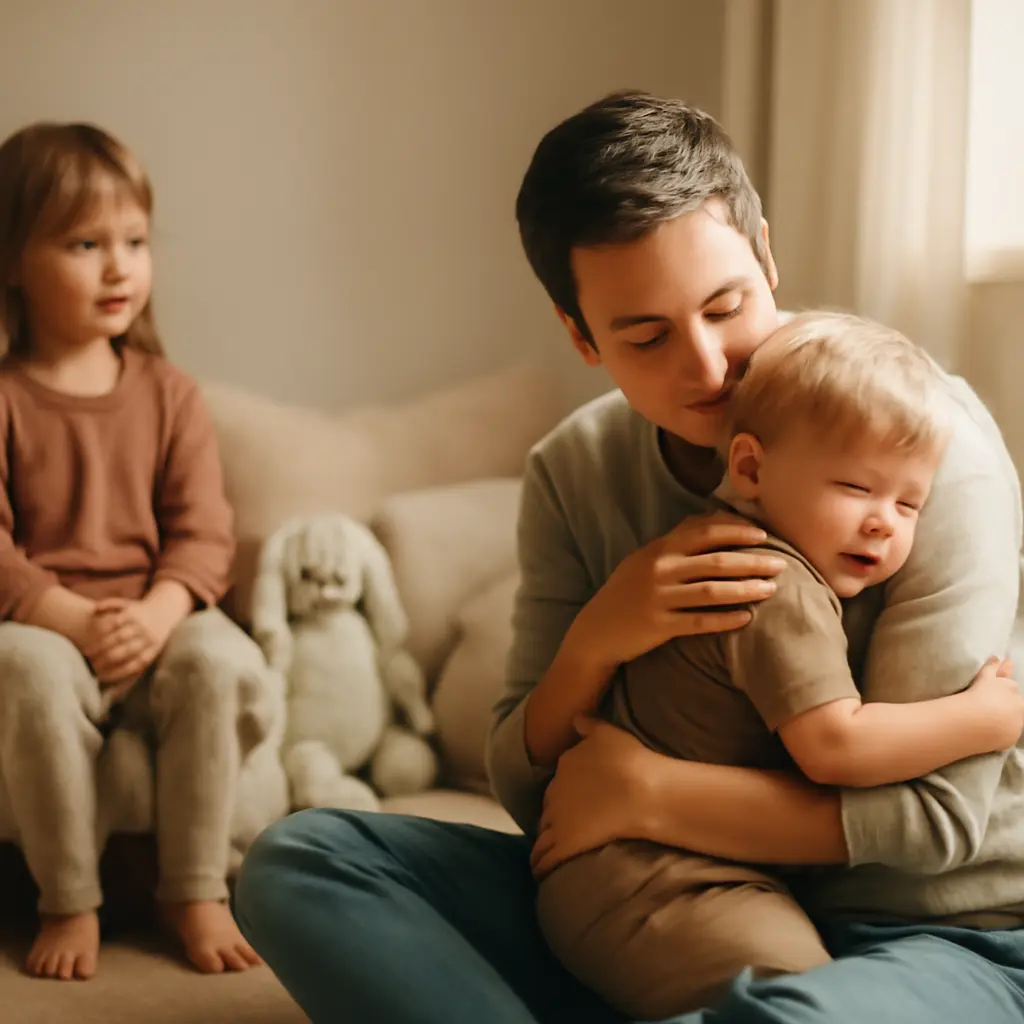
To leave a comment, please sign up or log in
Log in / Sign up